How AI in Online Booking Transforming Businesses in 2026
 Shifat Jaman
24 minutes read
Shifat Jaman
24 minutes read 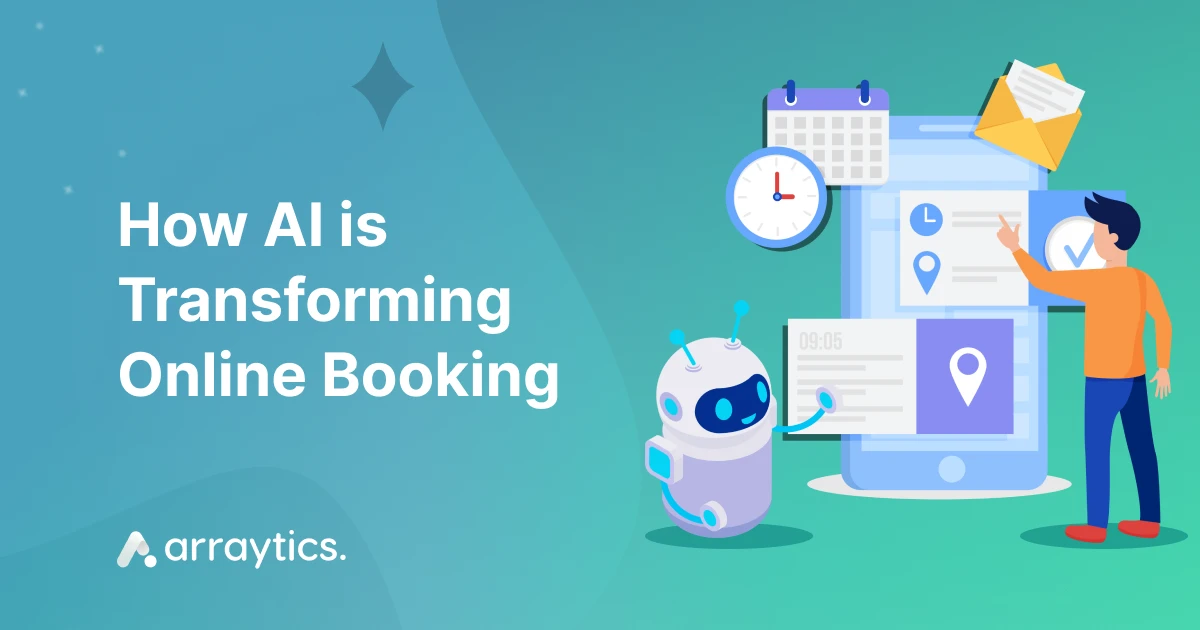
Online booking has come a long way from simple forms to intelligent, automated systems. Today, AI in online booking helps businesses save time and offer smoother experiences.
With AI-powered scheduling, customers get faster responses, smarter recommendations, and personalized service. Whether it’s for a salon, class, or event, AI automation in booking makes managing appointments easier and more efficient.
This guide explains how AI is transforming online booking and what it means for the future of online booking across industries.
⚡ Quick Overview
In this guide, you’ll discover:
- What AI in online booking means and how it works
- Why AI-powered booking systems matter in 2026
- Six practical ways AI is transforming online booking
- Real-world use cases across healthcare, salons, events, and more
- Key challenges and considerations when using AI booking tools
- How to choose the right AI-enabled booking system for your business
What is AI in the context of online booking?
AI, or artificial intelligence, in online booking means using smart systems that learn from data to make scheduling and reservations easier. Instead of only showing fixed options, an AI booking system understands user preferences and adapts automatically.
For example, when a customer searches for a haircut appointment, AI can suggest a nearby time slot with their favorite stylist or remind them about their last visit. The same logic applies to events, classes, or hotel stays. AI tracks patterns, predicts what users need, and responds instantly.
This is different from traditional booking tools that follow static rules. An AI-powered scheduling system uses real-time information like staff availability, customer history, and traffic data to create a more personalized and efficient booking process.
Why AI matters now in online booking
AI is changing how customers interact with online booking systems. People expect quick responses, real-time updates, and a smooth experience across devices. Traditional systems often fall short because they rely on manual inputs or fixed schedules. That’s where AI in online booking becomes essential.
An AI-driven booking experience can process thousands of data points instantly. It learns from user behavior like preferred times, locations, or services and adjusts suggestions automatically. This helps businesses serve each customer in a more personalized way without extra manual work.
AI also improves booking accuracy. It can detect double bookings, suggest the best slot based on current demand, or adjust pricing dynamically during peak hours. For example, event organizers or salon owners can use AI tools for booking to manage last-minute changes or cancellations automatically.
The growing use of AI appointment booking systems also connects well with new user habits. People use voice assistants like Alexa or Google Assistant to make reservations. They expect smart replies from AI chatbot booking assistants instead of long forms.
6 Ways AI is transforming online booking
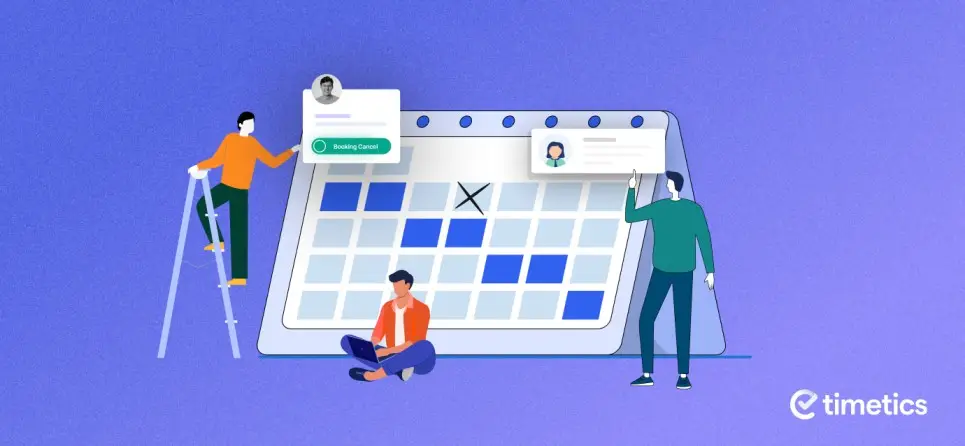
AI is reshaping how businesses handle bookings, from managing schedules to offering personalized experiences. Here are six key ways AI is transforming online booking today.
1. Smart scheduling and recommendations
An AI-powered scheduling system analyzes customer data, staff availability, and past activity to suggest the best booking time automatically. For example, if a client usually books a haircut on Friday evenings, the system can recommend that slot first.
Smart scheduling also helps balance workloads. It can assign tasks based on employee availability or experience level, ensuring no one is overbooked. For customers, it feels like the system “knows” their routine without any extra effort.
2. Dynamic availability management
In a traditional setup, time slots remain fixed until someone manually updates them. AI changes that. With AI automation in booking, the system adjusts availability in real time based on demand, cancellations, or new entries.
This dynamic approach means no wasted time slots. Businesses can fill last-minute gaps or offer alternative options instantly, improving both efficiency and revenue.
3. Natural language booking
Many users now prefer talking to a chatbot booking assistant or using voice commands to make appointments. AI chat systems understand natural language, so users can say things like, “Book me a 30-minute massage for tomorrow afternoon.”
These systems can confirm availability, suggest upgrades, or even handle payments. For busy service providers, this cuts down on manual communication while keeping the booking process quick and easy.
4. Predictive analytics and demand forecasting
AI can look at booking data over time and predict when demand will rise or fall. A salon might notice more bookings before holidays, while an event space might see patterns tied to seasons.
This helps business owners make smart decisions like adjusting staffing, offering early discounts, or running promotions. Predictive analytics also supports a booking marketing funnel that actually works.
5. Personalized booking experience
AI makes personalization possible at scale. The system learns user behaviour, preferred services, timing, or even favourite staff, and ensures optimal booking flow for each customer.
For example, returning visitors might see “Welcome back! Your last booking was three weeks ago ready for another session?” Such small details can boost customer experience and retention while showing how AI personalization improves user experience.
6. Automation of administrative tasks
Booking involves more than just time slots. There are reminders, follow-ups, payments, and updates. AI automates these tasks seamlessly.
From sending email notifications to handling cancellations or rescheduling, AI tools for booking make the entire process more efficient. This not only saves time but also ensures that customers receive consistent and accurate communication.
Real-world use cases of AI online booking by industry
AI is not limited to one type of business. From healthcare to event management, it’s changing how bookings are handled across different fields. Here’s how various industries are using AI in online booking to work smarter.
Healthcare
Hospitals and clinics are using AI booking systems to triage patients and schedule appointments based on urgency. For instance, if someone books a consultation for chest pain, AI can prioritize that over a routine check-up.
AI also helps reduce no-shows by automating appointment reminders and rescheduling missed appointments automatically. This leads to better time management for doctors and improved patient satisfaction.
Education and tutoring
In schools and training centers, a booking plugin with an AI feature can analyze both teacher availability and student behavior. They can suggest the best class times, manage recurring sessions, and prevent double bookings.
AI can even recognize learning patterns and recommend slots when students are most attentive, making the entire process more effective for both sides.
Salons and spas
For salons, AI makes customer service more personal. It can identify loyal clients and offer early access to preferred stylists or discounts during slow hours.
AI also matches each client with the right staff based on service history and ratings. This ensures customers get consistent results, while owners can manage resources efficiently using automation in booking.
Hospitality and events
Hotels and event organizers benefit the most from AI tools for booking. AI predicts room demand, optimizes pricing, and automates upselling, such as offering late checkouts or premium packages.
For event planners, AI simplifies logistics by tracking attendee limits, suggesting venues, or syncing schedules across multiple calendars. This shows how deeply AI for event management can integrate with daily operations to improve revenue and organization.
What are the challenges and considerations in AI booking
AI brings many benefits to online booking, but it also comes with challenges. Understanding these helps businesses use AI in online booking responsibly and effectively.
- Accuracy and AI Limitations: AI can process large amounts of data quickly, but it’s only as reliable as the data it receives. If the input is incomplete or outdated, the system may suggest wrong time slots or services.
- Data privacy and security: Online booking involves sensitive customer information, such as contact details, preferences, or payment data. Businesses must make sure their AI booking systems follow data protection rules like GDPR.
- Over-reliance on automation: While automation reduces workload, relying too much on AI can create problems when human judgment is needed. For example, rescheduling an urgent medical visit or handling a customer complaint may still require personal attention.
- Upfront cost or complexity: Setting up an AI-powered scheduling tool can seem costly at first. Some systems require data setup, training, and integration with existing software. However, once the system is running, it saves time and improves efficiency long-term.
- Training and setup time: AI systems work best when the team knows how to use them. Staff need short onboarding sessions to understand how to manage bookings, adjust automation, and review reports.
Future of AI in online booking management
Here’s what to expect as AI booking systems continue to evolve:
- Voice-based booking: AI voice systems like Alexa, Siri, and Google Assistant are becoming part of everyday booking. Soon, customers might simply say, “Book my next class for Tuesday morning,” and the system will check schedules, confirm availability, and process the booking automatically.
- AI avatars and agents: Next-generation AI tools for booking will go beyond chatbots. They’ll use digital avatars or AI agents that remember user preferences, recommend services, and adapt tone or style based on past conversations.
- Cross-platform sync: In the near future, AI booking systems will connect multiple calendars and platforms. For example, if a salon appointment overlaps with a Google Calendar meeting, AI will suggest an alternative time automatically.
- Generative AI planning: Generative AI can already write content and make decisions. Soon, it will draft entire travel plans, event schedules, or service packages for users. For instance, a customer could ask, “Plan my weekend getaway,” and the AI automation in booking will combine hotel, transport, and activity suggestions in seconds.
- Data security upgrades: As AI becomes more central to bookings, data protection will grow even more important. Blockchain-based verification may help secure user information, ensuring every transaction is transparent and tamper-proof.
How to Choose an AI-enabled booking tool
With so many tools now claiming to use AI, finding the right one can be tricky. The best AI booking system should make your process easier, not more complex. Here’s what to look for when choosing a solution.
1. Easy Setup and Integration
Look for tools that connect smoothly with your existing website, calendar, and CRM. A good AI-powered scheduling system should take minutes, not hours, to set up. It should also work with major platforms like Google Calendar, Zoom, or WooCommerce.
2. Customizable AI Features
Every business runs differently. Whether you manage a salon, school, or event venue, choose a tool that lets you adjust AI behavior to match your process. For example, you might want to control how AI suggests slots, sends reminders, or responds to customers.
3. Data Security and Privacy
An AI booking tool handles customer data every day. Make sure it follows proper encryption and privacy policies like GDPR. A secure AI automation in booking system protects your reputation and builds customer confidence.
4. Real-Time Analytics
Select a tool that provides insights, not just automation. Real-time analytics help you track trends, see peak hours, and identify booking gaps. This helps with business decisions and improves the AI-driven booking experience over time.
5. Reliable Support and Updates
AI technology changes fast. Your booking tool should release regular updates to stay compatible with new systems and privacy standards. Active support ensures you get help when issues arise.
Conclusion
AI is reshaping how businesses manage bookings. What once required manual work, like confirming appointments or tracking schedules, can now be done in seconds with smart systems. From healthcare and education to events and salons, AI in online booking is creating faster, more personal, and more efficient experiences.
Using AI-powered scheduling and automation helps businesses stay organized while improving customer satisfaction. Instead of spending hours on admin tasks, owners can focus on service quality and growth.
Booktics is part of this shift. It brings the power of AI booking systems to everyday businesses, making advanced automation simple to use. Whether you’re managing appointments, classes, or events, AI can make booking easier for both you and your customers.
The future of online booking will keep evolving, but with tools like Booktics, you can already see how AI makes it smarter, smoother, and more human-centred.
FAQs
1. What is AI-powered booking?
AI-powered booking uses artificial intelligence to automate and personalize the booking process. It learns from customer data and preferences to suggest the best times, services, or staff.
2. How does AI reduce no-shows?
AI sends timely reminders, detects booking patterns, and reschedules automatically if a user cancels. This reduces empty slots and improves time management.
3. Can AI help small businesses with scheduling?
Yes. AI booking tools are not just for large companies. Small businesses can use AI automation in booking to manage appointments, handle reminders, and save time.
4. What are the risks of using AI in booking?
The main risks include data privacy issues, setup complexity, and over-reliance on automation. Choosing a trusted AI booking system like Booktics helps reduce these risks.
5. How do chatbots improve online booking?
Chatbots allow customers to book using natural language. They can answer questions, confirm times, and make changes instantly, creating a faster, smoother experience for both sides.